
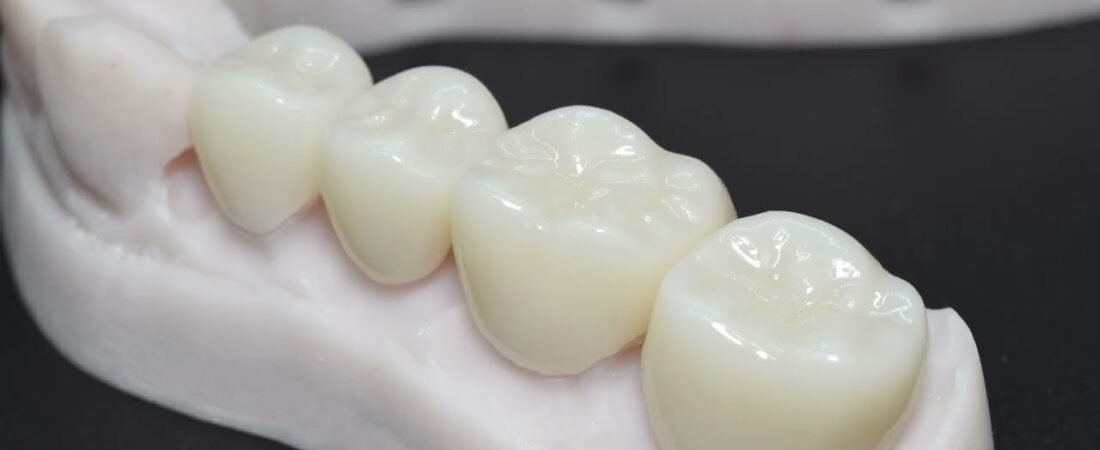
I had a patient last month who literally said, “So is this gonna be like a fake tooth on top of my real tooth?” and honestly, that’s not a bad way to think about it. A dental crown really is just that — a cover that goes over a tooth that can’t hold up on its own anymore. But most people picture something way more complicated in their head, and that’s usually where the nerves come from.
I run into this reaction almost every week here at Seaview Dental Center. Someone’s sitting in the chair, I mention “you’re going to need a crown,” and their whole face changes. Not in a good way. So instead of explaining it the same way over and over at the counter, I figured I’d just write it out the way I’d actually say it to someone — not some stiff version copied from a textbook.
This is based on real questions patients bring up before they agree to anything, not random facts pulled off the internet. By the end of this, you’ll probably have a much clearer sense of whether a crown makes sense for you. Most of the fear around dental crowns just comes down to not knowing what’s actually about to happen.
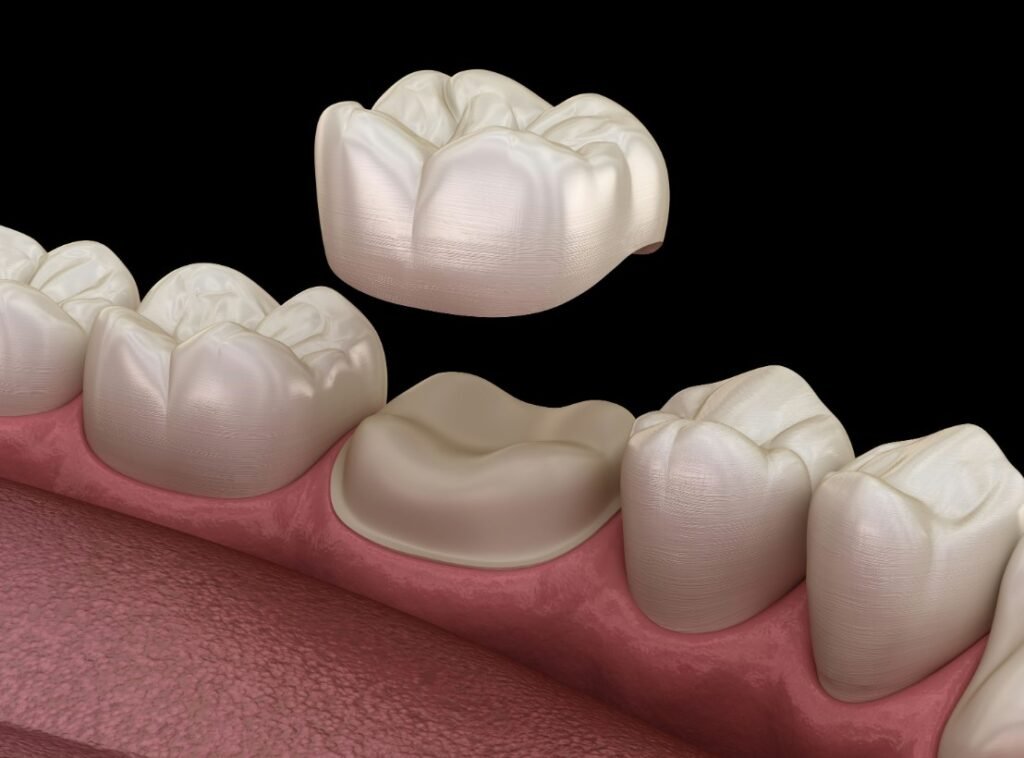
So What Is a Dental Crown, Really?
Okay, simplest way I can put it: picture a small cap, shaped exactly like a tooth, that fits right over a damaged or weakened one. Once it’s on, most people can’t even tell it’s there. You’d have to point it out.
The whole point is protection. A tooth that’s too weak or too worn to function on its own gets extra support from the outside. We use crowns here at Seaview Dental Center for a bunch of reasons — cracked teeth, teeth that just had a root canal, teeth worn flat from years of grinding at night, and sometimes just for how a tooth looks next to the rest of your smile.
Why Does a Tooth Even Need a Crown in the First Place?
This is probably the most common question I get, no exaggeration. People assume crowns are only for worst-case scenarios, like when the tooth is basically falling apart. That’s not really true.
Deep decay is a big one. Once a cavity’s too large, there’s just not enough healthy tooth left for a regular filling to hold onto. That’s where a crown comes in — rebuilding the tooth from the outside instead.
Cracks are another common reason. Could be from biting something hard, could just be years of wear catching up all at once. Left alone, small cracks get worse, and a crown basically holds everything together before it turns into a real problem.
If you’ve had a root canal recently, chances are your dentist already brought up a crown. Root canals clean out the infected part inside a tooth, but that leaves it more fragile afterward. Pretty much every dentist I know, us included, recommends a crown right after to protect it long-term.
Worn-down teeth are one reason people don’t connect to crowns as often. A lot of folks grind their teeth at night and have no idea they’re doing it. Years of that add up, and crowns help rebuild both the shape and the bite function.
And sometimes, yeah, it’s just cosmetic. A tooth’s an odd shape, or discolored in a way whitening won’t fix, or noticeably smaller than the ones beside it. In those cases, it’s really more about how it looks than any actual damage.
How Do You Know If You Actually Need One?
A lot of patients walk into Seaview Dental Center with symptoms they never connected to needing a crown. Here’s what usually gives it away, at least in my experience.
Sharp pain when you bite down, especially from one specific spot — that’s a pretty strong sign. Usually means there’s a crack or weak point a regular filling won’t fix.
Sensitivity that lingers is another one. A quick zing from ice cream, sure, that’s normal for a lot of people. But if it hangs around a while after, it’s worth getting checked out.
Visible cracks or chips, even small ones, shouldn’t get ignored. They tend to grow over time, and catching them early usually means a much simpler fix than waiting it out.
If a tooth just looks off — different size, shape, or color from the ones next to it — that’s something we look at closely during an exam, too.
And if you had a root canal a while back that never got crowned, that’s honestly kind of a ticking clock. Those teeth are a lot more prone to breaking without that extra protection on top.
Why Dental Crowns Are Actually Worth It
Once patients understand the upside here, most of that initial nervousness fades. So let’s get into it.
Biggest one: long-term protection. Crowns act like a shield against more cracking, more decay, and more damage. Instead of eventually losing the tooth completely, you’re giving it another decade or more of life.
Chewing goes back to feeling normal, too. A damaged tooth can make eating uncomfortable; sometimes it genuinely hurts. Once the crown’s on, you can bite down like nothing ever happened.
They look completely natural these days, which surprises a lot of people. The crowns we use at Seaview Dental Center are color-matched to your other teeth, so unless you point it out yourself, most people will never notice.
They last a long time too — ten to fifteen years with decent care, sometimes longer. This isn’t a temporary fix; it’s a real long-term solution.
As for the process, it’s usually two visits. First, we prep the tooth, take an impression or a digital scan depending on your case, and send you home with a temporary crown. Second visit, once your permanent one’s ready, we swap it in and cement it. Most people are honestly surprised by how fast and painless the whole thing turns out to be.
A Few Things That Actually Help (Prevention-Wise)
Whether you’re trying to avoid needing a crown altogether or you already have one and want it to last, these tips genuinely make a difference. None of it’s complicated.
Brush twice a day, floss even though nobody really enjoys it. Decay’s one of the top reasons people end up needing crowns, and it’s mostly preventable with basic hygiene — nothing fancy.
Try not to chew on hard stuff — ice, hard candies, pen caps, that kind of thing. Sounds obvious, but it’s genuinely one of the top reasons we see cracked teeth walk through our door.
If you grind your teeth at night, get yourself a night guard. Cheap fix compared to dealing with worn-down teeth years later.
Stick with regular checkups. A lot of problems that eventually need a crown start out small, and catching them early usually means a simple filling instead of a full crown down the line.
And if you’ve already got a crown, treat it like any other tooth. Brush and floss around it the same as everywhere else. The crown itself can’t decay, but the tooth underneath and the gums around it definitely can if you neglect them.
Why Patients Keep Coming Back to Seaview Dental Center
Plenty of places do dental crowns, and I get that people compare before deciding. But here’s honestly what keeps people coming back to us for this specific thing.
We actually explain what’s going on with your tooth before jumping into treatment. You’ll understand why a crown makes sense for you specifically, not just be told you need one and left to figure out the rest on your own.
We use modern digital imaging too, which usually means the crown fits right the first time — fewer follow-up visits just to adjust something that didn’t sit properly.
We also work with different budgets honestly, and we’ll walk you through your real options instead of just pushing whatever material costs the most.
Comfort matters a lot here too. Loads of people come in nervous about dental work in general, and our team’s genuinely good at making it feel a lot less stressful than people expect when walking in.
You can reach Seaview Dental Center at +1 718-980-0844, or email us at bonnie@seaviewdentalcenter.site. Feel free to call or email with questions before booking anything.
Questions I Get Asked Constantly
How long does getting a crown actually take?
Usually two visits total. The first one is prepping the tooth and fitting a temporary crown, second one, typically a week or two later, is placing the permanent one.
Does it hurt to get a crown done?
Not really. We numb the area before prepping the tooth, so most people feel little to nothing during it. Some mild sensitivity afterward is normal and usually fades within a few days.
How long do dental crowns actually last?
With decent care, ten to fifteen years typically, sometimes longer. Keeping up with regular checkups at Seaview Dental Center helps us catch small issues early so your crown lasts as long as it should.
Can I eat normal food right after?
While you’ve got the temporary crown on, avoid anything sticky or really hard on that side. Once the permanent ones are in, you’re free to eat like normal again.
Will people notice I have a crown?
Honestly, probably not. The crowns we use here are shade-matched to blend in with your other teeth pretty seamlessly.
What happens if my crown falls off?
Call us right away at +1 718-980-0844. Usually, a quick fix is to re-cement it, but don’t wait too long — that exposed tooth underneath needs protecting in the meantime.
Does insurance typically cover crowns?
A lot of plans cover part of it, especially when the crown’s needed functionally rather than just cosmetically. Our front desk can check your specific coverage before you commit to anything.
How do I know if I need a crown or just a filling?
Honestly, it comes down to how much healthy tooth structure’s left. A quick exam here will make it pretty clear which one actually makes sense for your tooth.
Final Thoughts
Getting a dental crown probably sounds like a much bigger deal than it actually is, at least before you understand what it’s for. Once it’s done, it’s really just a reliable way to protect a tooth and keep it functioning for years. Whether it’s decay, a crack, a root canal, or just cosmetic, dental crowns are genuinely one of the more dependable, long-lasting fixes in dentistry.
If there’s a tooth that’s been bugging you and you’ve just been putting off dealing with it, don’t wait for it to turn into something bigger. A quick checkup now could save you time, money, and a good amount of discomfort later on.
Ready to Talk Through Your Options?
If you think you might need a crown, or you’re just not sure yet and want an honest opinion, we’re happy to help you figure it out. No pressure, no pushy sales talk — just a real conversation about what actually makes sense for your tooth.
📞 +1 718-980-0844 📧 bonnie@seaviewdentalcenter.site
Give Seaview Dental Center a call or drop us an email, and let’s get that tooth feeling normal again.