
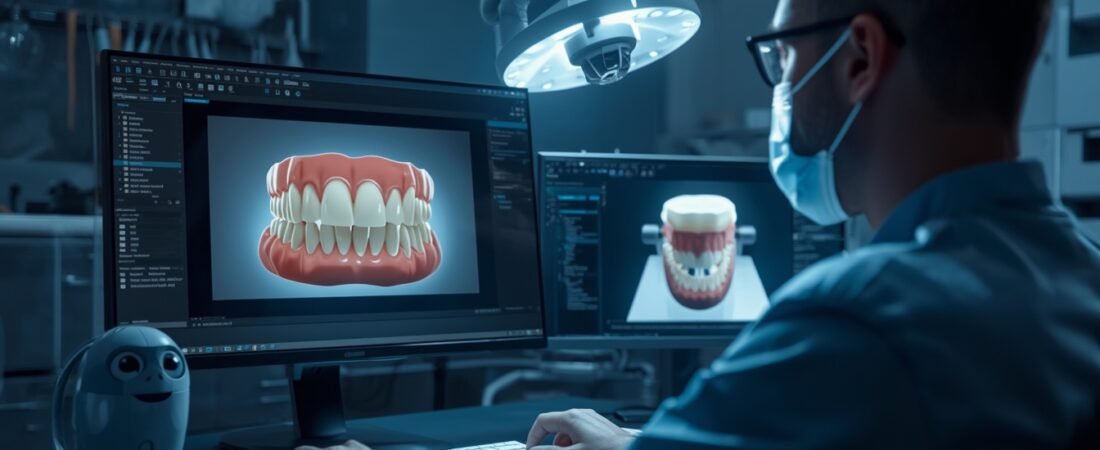
Your dentist just told you that you need a crown.
And now you’re doing what everyone does, sitting there trying to figure out if this is actually necessary or if someone’s trying to squeeze more money out of you this month. Maybe you’re also wondering how bad it’s going to hurt, what it’s going to cost, and whether you can put it off. Maybe you Googled it on the way home, and now you’re more confused than before.
We’ve been there with hundreds of patients at Seaview Dental Center. People come in skeptical, anxious, sometimes frustrated, and honestly, that’s completely reasonable. It’s your mouth, your money, and nobody explained anything. So here’s everything we wish every patient already knew before they sat down in the chair.
We’re at 430 Seaview Ave, Staten Island, NY 10305, United States. If you’d rather talk before you even come in, call us at +1 718-980-0844. Real people answer, and we’re not in a hurry.
Okay, So What Even Is a Crown
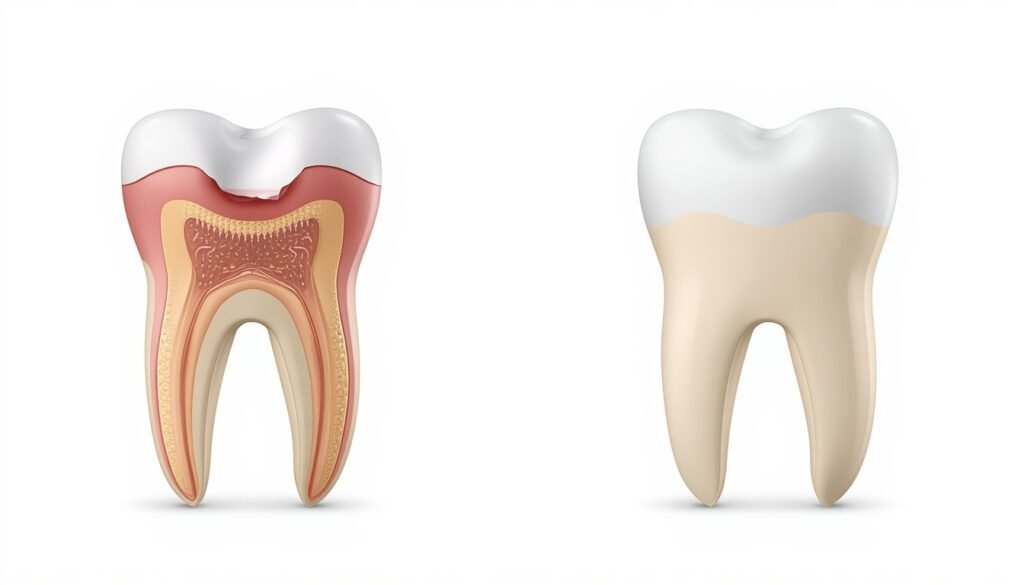
The simplest way to think about it is it’s a cap. A custom-made cover that fits over a damaged tooth, right from the gumline up, and becomes its new outer surface. That’s it. The root stays. The nerve stays, assuming a root canal wasn’t already involved. Everything below the gumline stays exactly where it is. You’re just giving that tooth a new shell — one that’s shaped like the original, matches your other teeth in color, and handles everything the original was supposed to handle.
The material it’s made from depends on a few things — where in your mouth the tooth lives, how much chewing force that spot absorbs, and how visible it is when you talk or smile. Back molars and front teeth are completely different conversations. At Seaview Dental Center, we go through options with patients before anything gets ordered or sent to the lab. You should know exactly what’s going into your mouth before any of that happens.
Why Would a Tooth Need One in the First Place
“You need a crown,” without any context, is a useless thing to say to someone. So here’s what’s actually going on in each situation where a crown comes up.
The cavity got too big for a filling
Fillings are great — genuinely — but they have a ceiling. Once decay spreads past a certain point, there’s not enough healthy tooth material left to hold a filling in place. We could put one in anyway, but it would crack or fall out within a year or two. A crown covers the entire tooth and restores the structure that was lost.
This is probably the most common reason we place crowns at Gentle Dental Center, by a wide margin. Someone’s had a cavity for a while — which happens, people get busy, dental stuff slides — and by the time they come in, it’s beyond what a filling can fix. We’re not judging. We just want to fix it properly.
There’s a crack
Some cracks don’t matter. Surface-level stuff, harmless. But other cracks go deep enough that every single bite is flexing it a little more, widening it gradually, until at some point it just splits. A crown wraps around the tooth and stops that from happening.
What most people don’t know — and what we always make a point of saying — is that a crack that reaches the root usually means the tooth can’t be saved. It comes out. A crown placed before that point can keep that tooth working for another decade or more. Timing is everything with cracked teeth.
After a root canal
Root canals remove the pulp — the soft tissue living inside the tooth. Once that’s gone, what’s left is noticeably more brittle than a healthy tooth. It doesn’t have the same flexibility. Under normal biting pressure, it can fracture. The crown goes on top specifically to prevent that.
We’ve seen patients skip the crown after a root canal and genuinely regret it. The root canal worked perfectly, the infection was gone, and then six months later, the tooth cracked because there was nothing protecting it. Sometimes we can save teeth in that situation, sometimes we can’t. Please don’t skip the crown after a root canal. The root canal did its job — don’t leave things vulnerable after going through all that.
Years of grinding
This one builds slowly, and people often don’t realize how much damage has accumulated until we show them photos or X-rays side by side. Grinding wears teeth down — makes them shorter, more sensitive, and changes how the bite lines up. Crowns can bring back the original height and shape. We also pair that with a night guard, because otherwise the same thing just happens to the new crowns eventually.
An old filling that’s on its way out
Silver fillings aren’t forever. When they start cracking or the tooth structure around them weakens, putting in another filling often doesn’t work — there’s simply not enough tooth left to hold it. A crown in that situation is just the more stable, longer-lasting answer.
A broken tooth
Doesn’t matter how it broke. Hard food, a fall, a hit, whatever. If the root is still solid and there’s enough tooth structure to work with, there’s a real chance a crown can save it. People are often surprised by how much we can work with — even when a significant piece of the tooth is missing.
Signs You Might Be Heading in This Direction
Sometimes there are obvious symptoms. Sometimes an X-ray finds something before there’s any pain at all — which is actually the better scenario, because it means we’re catching something before it gets worse.
Things worth paying attention to:
- Pain when you bite, especially if it’s been there for more than a few days and doesn’t settle
- A crack or chip you can see or feel with your tongue
- Sensitivity that’s been slowly getting worse, not better
- An old filling that feels rough or like part of it came off
- Your dentist shows you on an X-ray that the decay is too big for a filling to handle
- A root canal you had months ago that still doesn’t have a crown on it
None of these alone automatically means a crown is happening. We look at everything together. But if a few of those apply to you right now, it’s worth getting in to Gentle Dental Center so we can see what’s actually going on — before it becomes something more complicated.
What Getting a Crown Here Actually Looks Like
Two appointments. Start to finish.
The first visit is the longer one. We numb the tooth completely — you shouldn’t feel pain, just pressure, and if anything feels sharp at any point, you tell us and we re-numb. Then we shape the tooth slightly so the crown has something solid to lock onto. We take an impression or a digital scan of the tooth, which goes to the lab where the permanent crown is fabricated. That takes about one to two weeks. While you wait, a temporary crown goes on to protect the tooth.
Temporary crowns are not as tough as the real thing — avoid sticky foods, try to chew on the other side, and don’t worry too much because it’s only for a week or two.
The second visit is shorter. The permanent crown comes back from the lab, we check how it fits, check the bite, make any minor adjustments, and then cement it in place.
We’re careful about color match before anything gets cemented permanently. Because once it’s on, that’s your tooth. If something looks slightly off — shade, shape, how it sits — we say so before it goes in, not after.
The Material Question
Porcelain and ceramic — the most natural-looking option. Color-matched to your surrounding teeth. For front teeth, this is usually where we start the conversation. Slightly less durable under really heavy chewing than metal-based options, but for most patients, that’s never actually a problem.
Zirconia — strong enough for back teeth, looks good enough for front teeth. A lot of patients at Gentle Dental Center end up with zirconia because it handles both concerns without compromising either one. It’s been around long enough now that we have solid data on how it performs over ten to fifteen years.
Porcelain fused to metal — porcelain exterior, metal core for strength. Works very well. The one thing to know — over time, a fine dark line can appear at the gumline where the metal starts to peek through. On back teeth, it’s rarely an issue. On a tooth that shows when you smile, it’s something to consider.
Full metal — gold or other alloys. Dentists genuinely love these because they fit with incredible precision, almost never crack, and last longer than anything else. Most patients just don’t want visible metal in their mouth, so these usually go on back molars, where the appearance isn’t really a factor.
Does It Hurt
The prep appointment — no. You’re numb. Completely.
After the anesthesia wears off, some sensitivity for a day or two is normal and expected. Over-the-counter ibuprofen handles it. If you’re still having real pain three or four days later, or your bite feels off, call +1 718-980-0844. That’s not typical, and it almost always just needs a quick adjustment.
How Long Does It Last
Ten to fifteen years is the average. Plenty of our patients at Seaview Dental Center have crowns that have been in for twenty-plus years and are still fine.
What cuts the lifespan short — grinding without a night guard, not keeping up with brushing and flossing right at the gumline where the crown meets the tooth, chewing ice and pens, opening things with your teeth. The crown material itself can’t decay, but the tooth structure underneath it still can if you’re not keeping that margin clean.
Treat it like you’d treat a natural tooth. That’s the whole care plan.
Why People Choose Seaview Dental Center for This
We don’t recommend crowns unless we actually think a crown is the right call.
Some dental offices crown aggressively. We don’t. If a well-placed filling is the right answer, that’s what we’ll tell you — even though it’s less expensive and a shorter procedure. When we recommend a crown, we show you why on the X-ray and walk you through our thinking. You can ask questions, push back, and get a second opinion. We mean that. We’re not offended by it.
We also spend real time on the cosmetic side. Getting the color right, making sure the crown sits naturally in the bite, checking how the margins look at the gumline. These aren’t small details — a crown that looks obviously fake or sits slightly wrong is something you’ll notice every single day. We’d rather slow down and get it right.
Questions We Hear All the Time
Can people tell?
With modern porcelain and zirconia, usually not. Color-matching has gotten genuinely impressive. Most patients’ friends and family have no idea which teeth are crowned. For anything near the front of the smile, we spend extra time on the shade before cementing.
Can I eat normally?
Once the permanent crown is in — yes, completely. During the temporary phase, be a bit careful. After that, eat whatever you want.
My tooth doesn’t hurt. Why do I still need this?
Teeth don’t always hurt before they fail. A crack that feels fine right now can split without warning. Significant decay under a filling might not hit the nerve for months. We show you exactly what we’re seeing and why we’re recommending what we’re recommending.
What happens if I skip the crown after my root canal?
You might be fine for a while. Then the tooth fractures, and sometimes there’s nothing left to save. We’ve watched it happen. Don’t skip the crown after a root canal.
How much does it cost?
Depends on the material and which tooth. Most insurance plans cover part of it when there’s a documented need. We go through cost and coverage with you before the first appointment — not after. Call +1 718-980-0844, and we’ll talk through what your plan covers and what out-of-pocket looks like.
How long are the appointments?
The first one is usually 60 to 90 minutes. The second one is closer to 30 to 45. Neither one wrecks your whole day.
What if the crown falls off?
Call +1 718-980-0844 right away. Don’t leave the tooth unprotected. Keep the crown if you can find it — often, we can just recement it. Uncommon, but it happens, and it’s a quick fix when it does.
I have really bad dental anxiety.
Tell us before you come in. We slow down for anxious patients, explain each step before we do it, and we don’t rush through anything. You can ask us to pause at any point. You can ask what we’re doing whenever you want. A lot of anxious patients are genuinely surprised by how manageable the appointments feel once they’re in the chair — because they were numb and nothing hurt, and we kept them in the loop the whole time.
The Short Version
A crown is not a punishment, and it’s not your dentist looking for ways to charge you more. Most of the time, it’s the thing standing between a tooth that’s struggling and losing that tooth entirely.
When it’s done well — and at Gentle Dental Center, we take that seriously — it looks like a tooth, feels like a tooth, and lasts for years. Most patients genuinely forget it’s there.
If you’ve been told you need one, and you’re not convinced, come in and look at the X-rays with us. Ask everything. We’ll give you a straight answer, and we’ll tell you if there’s any other option.
Gentle Dental Center 📍 430 Seaview Ave, Staten Island, NY 10305, United States 📞 +1 718-980-0844 🌐www.seaviewdentalcenter.site
Monday – Friday: 9:00 AM – 6:00 PM Saturday: 9:00 AM – 3:00 PM Sunday: Closed
Upper West Side. Columbus Ave. Easy to reach, easy to park near. Call us and let’s figure out what your tooth actually needs.